

Skip to content
Prime Climate Care
Menu

Climate impact map

Where climate change is already being felt.

Each point marks a climate event our team has recorded (where it happened, when, and what it meant for the people living there) or a place where we have carried out our own work. Select a point on the map or an entry in the list to explore.

Summary

recorded impacts
7
regions affected
7
project on the map
1
Most recent record
May 2025

Show on the map

Loading the map…

Select the map, then use the arrow keys to pan and the plus and minus keys to zoom. Press Tab to move between points and Enter to open one.

Impacts and projects

Most recent first

  1. Climate impact

    Kilimanjaro

    Moshi Floods Kill Three Amid Extreme Rainfall

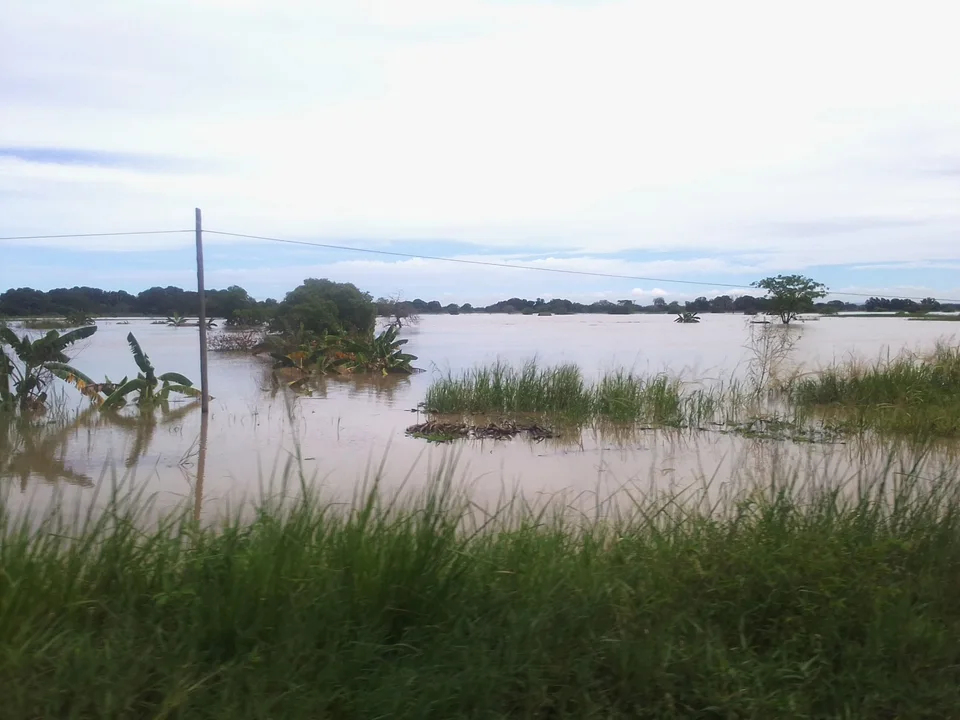
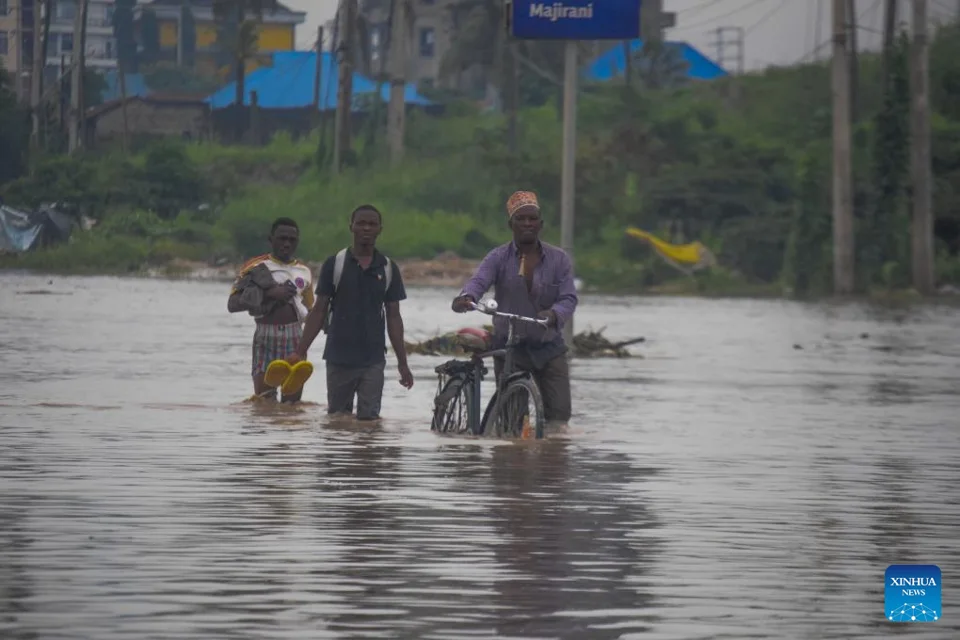
    On May 6, 2025, heavy rainfall in Moshi, Kilimanjaro, triggered devastating floods, killing three people, including two from one family in Mbokomu ward, when their house collapsed.

    Read the full account

    Moshi Floods Kill Three Amid Extreme Rainfall

    On May 6, 2025, heavy rainfall in Moshi, Kilimanjaro, triggered devastating floods, killing three people, including two from one family in Mbokomu ward, when their house collapsed. The climate change-driven deluge also caused one child’s death in Kiboroloni, with others feared drowned. Roads were blocked for hours, and infrastructure damage slowed rescue efforts. Regional authorities, including Kilimanjaro’s Regional Commissioner Nurdin Babu, confirmed the deaths, urging preparedness as rains continue. This follows 2024’s deadly floods, highlighting Tanzania’s vulnerability to intensifying wet seasons. Critics note inadequate urban drainage, exacerbating losses. The tragedy underscores the urgent need for climate-resilient infrastructure and early warning systems to protect lives in Moshi’s growing urban areas.
  2. Climate impact

    Tanga

    Tanzania’s Tanga Hit by Flood-Induced Power Outages

    On April 23, 2025, heavy rainfall in Tanzania’s Tanga region caused flooding that triggered widespread power outages, impacting homes and businesses.

    Read the full account

    On April 23, 2025, heavy rainfall in Tanzania’s Tanga region caused flooding that triggered widespread power outages, impacting homes and businesses. The Tanzania Meteorological Authority (TMA) warned of intense rains across Tanga and other regions, with climate change intensifying these wet conditions. Floodwaters damaged electrical infrastructure, leaving parts of the city dark and disrupting economic activity. Local reports note flooded roads and markets, with residents struggling to access supplies. This follows 2024’s climate extremes, which strained Tanzania’s grid. Authorities are working to restore power, but the crisis highlights the need for climate-resilient infrastructure. The event, tied to TMA’s ongoing alerts, reflects Tanzania’s vulnerability to escalating weather patterns, with calls for investment in flood defenses growing louder.

  3. Climate impact

    Iringa

    Tanzania’s Iringa Region Faces Crop Losses from Heavy Rains

    On April 22, 2025, heavy rainfall in Tanzania’s Iringa region triggered flooding that destroyed crops, particularly maize and beans, threatening local food security.

    Read the full account
    Tanzania’s Iringa Region Faces Crop Losses from Heavy Rains

    On April 22, 2025, heavy rainfall in Tanzania’s Iringa region triggered flooding that destroyed crops, particularly maize and beans, threatening local food security. Climate change is cited for intensifying these rains, with farmers reporting up to 60% yield losses. The deluge, part of a wetter-than-usual April forecast by IGAD, damaged irrigation systems and rural roads, hampering market access. Community leaders are seeking emergency aid, but response efforts are slowed by stretched resources following 2024’s climate extremes. This event, trending on X due to Earth Day focus, underscores Tanzania’s agricultural vulnerability to erratic weather. Experts call for climate-resilient farming, like elevated seedbeds, to mitigate future impacts, as Iringa’s rural economy reels from repeated climate shocks.

  4. Climate impact

    Rukwa

    Tanzania’s Rukwa Region Hit by Flash Floods

    On April 21, 2025, flash floods struck Tanzania’s Rukwa region, damaging homes and infrastructure after heavy rains linked to climate change.

    Read the full account

    On April 21, 2025, flash floods struck Tanzania’s Rukwa region, damaging homes and infrastructure after heavy rains linked to climate change. The deluge, following 2024’s wet season extremes, submerged villages and washed away roads, isolating communities. Local reports note crop losses, particularly rice, threatening food security in this agricultural area. Residents are seeking emergency aid, but logistical challenges slow relief efforts. The floods highlight Tanzania’s vulnerability to intensifying weather patterns, with Rukwa facing similar risks as other regions like Kigoma. Experts stress the need for improved drainage and early warning systems, as climate-driven rains become more frequent and severe. This event underscores the economic and social toll of Tanzania’s climate crisis, demanding robust adaptation to protect rural livelihoods.

  5. Climate impact

    Dodoma

    Dodoma Farmers Hit by Flash Floods

    On April 20, 2025, flash floods struck Tanzania’s Dodoma region, devastating smallholder farmers.

    Read the full account
    Dodoma Farmers Hit by Flash Floods

    On April 20, 2025, flash floods struck Tanzania’s Dodoma region, devastating smallholder farmers. Heavy rains, intensified by climate change, flooded fields, destroying maize and millet crops critical for local food security. Reports describe homes damaged and livestock swept away, with rural communities cut off due to washed-out roads. The floods follow Dodoma’s 2024 drought, illustrating climate’s dual extremes: aridity then deluge. Farmers, already strained by erratic seasons, face mounting losses, with some estimating a 50% yield drop. Local officials are appealing for emergency aid, but response capacity is limited. Experts warn that without climate-smart irrigation and flood defenses, Dodoma’s agricultural backbone could falter, deepening poverty. This crisis highlights Tanzania’s urgent need for infrastructure to withstand warming’s volatile impacts, as rural livelihoods hang in the balance.

  6. Climate impact

    Kigoma

    Kigoma Floods Disrupt Communities Amid Heavy Rains

    On April 20, 2025, reports indicated severe flooding in Tanzania’s Kigoma region, driven by heavy rainfall linked to climate change.

    Read the full account

    On April 20, 2025, reports indicated severe flooding in Tanzania’s Kigoma region, driven by heavy rainfall linked to climate change. The deluge, part of a broader pattern of intense wet seasons, inundated homes and farmland, displacing dozens of families. Roads became impassable, isolating communities and delaying aid. Local accounts describe rising Lake Tanganyika waters compounding the crisis, a trend tied to warming-driven weather shifts. This follows 2024’s extreme rains, which killed 155 in Tanzania, highlighting the region’s vulnerability. Authorities are distributing relief, but infrastructure damage hampers efforts. The floods threaten food security, with crops washed away, and underscore the need for climate-resilient planning in Kigoma, a key agricultural hub. This event reflects Tanzania’s escalating battle with erratic weather, demanding urgent adaptation measures.

  7. Climate impact

    Mbeya

    Mbeya Landslides Triggered by Torrential Rains

    On April 21, 2025, torrential rains in Tanzania’s Mbeya region caused landslides, damaging homes and infrastructure.

    Read the full account

    On April 21, 2025, torrential rains in Tanzania’s Mbeya region caused landslides, damaging homes and infrastructure. Climate change is cited for intensifying rainfall, loosening soil on hilly terrain after 2024’s wet season. At least 20 households were affected, with roads blocked and markets disrupted, isolating rural villages. Local reports note injuries but no confirmed deaths, though rescue efforts are ongoing. The landslides threaten Mbeya’s tea and maize production, key economic drivers, as flooded fields compound losses. Authorities are clearing debris, but funding for long-term slope stabilization is scarce. This event, distinct from Kigoma’s floods, underscores Tanzania’s vulnerability to cascading climate impacts: floods triggering secondary disasters. Experts call for reforestation and early warning systems to mitigate future risks, as Mbeya grapples with a warming world’s relentless challenges.

  8. Our project

    Pwani

    Training Session at Mkuranga Primary School

    On May 8th we had a wonderful experience at Mkuranga Primary School in Mkuranga District. We conducted a training session on climate change, covering its causes, effects, adaptation strategies, and mitigation measures.

    Read the full account

    On May 8th we had a wonderful experience at Mkuranga Primary School in Mkuranga District. We conducted a training session on climate change, covering its causes, effects, adaptation strategies, and mitigation measures. The students at the school actively participated in the discussion, showcasing their knowledge and enthusiasm. It was truly inspiring to see their engagement and understanding of such an important topic. Together with the students and teachers, we planted about 100 trees🌳of various fruit species on the school grounds. This collaborative effort not only beautified the school environment but also contributed to the local ecosystem. As we reflect on our time at Mkuranga Primary School, our smiles are a reflection of our shared love for the environment. We firmly believe that ‘no green, no life, and we encourage everyone to join us in making our world a greener and more sustainable place. Let’s all come together to ‘MAKE IT GREEN’🌳for a better future.

Seen a climate impact we should record?

Floods, drought, extreme heat or lost harvests in your community: tell us what happened and where. Every report helps build a clearer picture of climate risk in Tanzania.