


Mbeya residents told to leave risky areas after 30-minute downpour destroys 21 houses
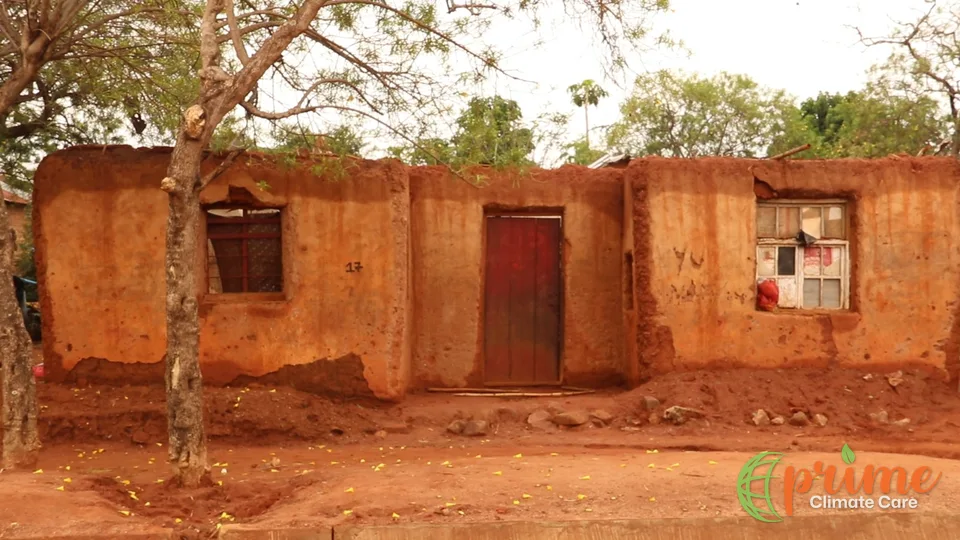
Mbeya Regional Commissioner Jumanne Sagini has ordered residents of hazardous areas to move temporarily after brief heavy rain swept away 21 houses and left 43 households homeless in Nzovwe Ward.
Mbeya Regional Commissioner Jumanne Sagini has ordered people living in hazardous areas of the region to move out temporarily and without delay, after a short but intense downpour swept away 21 houses and left 43 households homeless in Nzovwe Ward, Mbeya city. The directive was reported by HabariLeo on 4 November 2026.
Half an hour of rain, heavy damage
According to the report, the rain lasted roughly 30 minutes. Sagini issued the order after visiting families affected by the flooding, and confirmed that no one died in the incident.
He warned that the destruction was a sign of greater danger ahead if the heavy rains that have been forecast continue while residents stay in risky locations. He linked his warning to El Niño, a natural climate pattern tied to unusual warming of the Pacific Ocean that can bring heavier rainfall to parts of East Africa.
Sagini said the government had been speaking about the El Niño rains, but some people had treated the warnings as a joke instead of taking precautions. "Now we have seen that just half an hour of rain has caused this damage. What would happen if it rained for seven hours?" he asked.
Relief and repairs
The regional commissioner instructed the disaster committee to make sure affected households receive urgent help, including food and mattresses. He said some of those displaced had been forced to take shelter with relatives and neighbours.
He also said the Tanzania National Roads Agency (TANROADS) had already begun work to improve hazardous spots. This includes dealing with a drainage channel that is said to have contributed to the flooding when it filled with water and overflowed.
One of the affected residents, Innocent Mwongole, asked the government to repair the channel and to clear away debris left by road construction works, so that further flooding can be prevented.
Sagini urged people across the region to stay alert as the rains continue, in order to avoid further harm.
Why it matters for Tanzania
The Nzovwe flooding shows how quickly a brief storm can become a disaster when homes stand in exposed places and drainage is blocked or overwhelmed. Many Tanzanian towns and cities are growing, and settlements on low-lying land or close to watercourses can face similar risks during heavy rain.
The incident also underlines the value of early warnings. Tanzania is exposed to both droughts and floods, and seasonal forecasts give communities and authorities time to prepare. As this case suggests, such warnings help most when residents act on them and when basic infrastructure such as drains is kept clear and in good repair.
Source: HabariLeo
Topicsflooding · el nino · disaster response · mbeya · drainage
Comments
No comments yet. Start the conversation.
Leave a comment
Comments are read by our team before they appear. Your email address is never published.