

Tanzania takes Lake Tanganyika Authority chair, pledges joint action to protect the lake's ecosystem
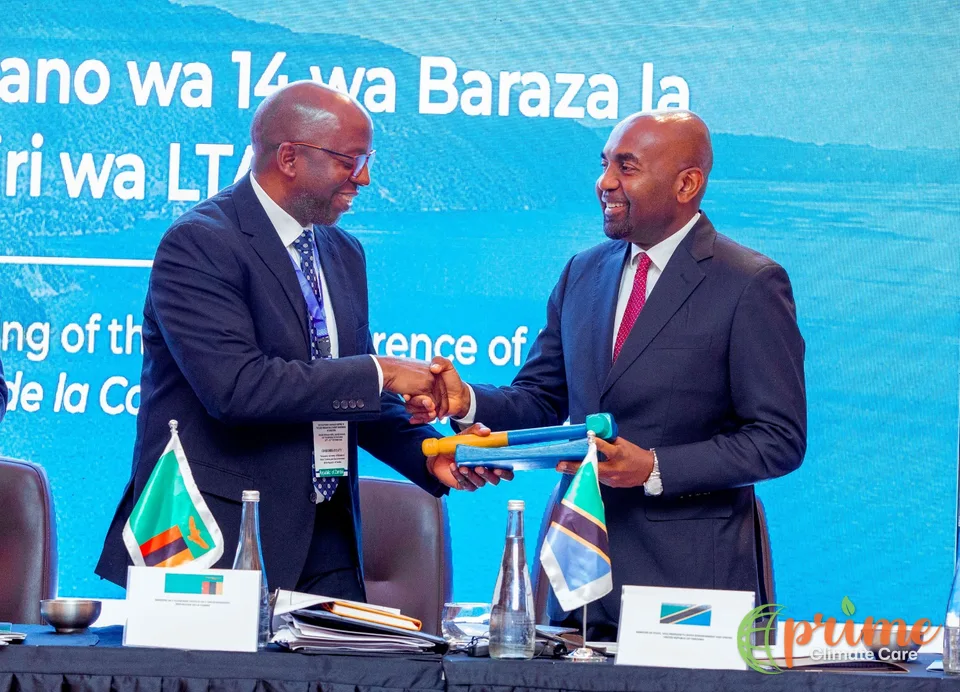
Tanzania took over the chairmanship of the Lake Tanganyika Authority Council of Ministers from Zambia in Dar es Salaam on 30 October 2026, pledging stronger regional cooperation.
Summarised by Prime’s AI news desk from Daily News (opens in a new tab), and published automatically without prior human review. Please report any errors through our contact page.
Tanzania has taken over the chairmanship of the Lake Tanganyika Authority (LTA) Council of Ministers, promising closer regional cooperation to protect the lake's ecosystem and to ensure its resources are used sustainably. Hamad Yussuf Masauni, Minister of State in the Vice-President's Office (Union and Environment), received the role from Zambia at the 14th LTA Council of Ministers meeting, held in Dar es Salaam on 30 October 2026.
Priorities for Tanzania's tenure
Mr Masauni said Tanzania would use its time as chair to improve coordination among the four countries that share the lake: Burundi, the Democratic Republic of Congo (DRC), Tanzania and Zambia. The aim, he said, is to tackle environmental threats and improve the lives of communities that depend on the lake's resources.
He named strengthening regional cooperation and promoting integrated management of the lake and its basin as priorities. Integrated management treats the water body and the surrounding land that drains into it as a single system. He also identified pollution, unsustainable fishing, land degradation and the effects of climate change as problems to be addressed.
The minister said Tanzania would support initiatives on sustainable fishing, better sanitation services and the prevention of water pollution. It would also back greater involvement of women, young people and lakeside communities in development activities. He described the lake as a shared natural heritage that provides food, jobs and income and supports biodiversity of international significance.
"Protecting Lake Tanganyika requires collective responsibility, no single country can successfully conserve the shared water body acting alone," he said.
Calls for funding and results
Mr Masauni stressed the need for sustainable financing to carry out the authority's programmes and projects. He urged member states to meet their financial obligations and asked development partners to continue providing financial, technical and technological support.
Dr Douty Chibamba, Permanent Secretary in Zambia's Ministry of Blue Economy and Environment, said the authority should be judged by concrete results rather than by the number of resolutions it adopts. Those results, he said, include protecting the lake, improving livelihoods and advancing regional development.
Dr Chibamba added that turning ministerial decisions into action requires a clear division of responsibilities, adequate resources and effective systems to monitor and evaluate programmes and projects.
LTA Executive Director Dr Emma Liwenga said conservation should go hand in hand with improving community livelihoods and strengthening the economies of the countries around the lake. She described protecting the lake as not only an environmental duty but also a development priority, a regional obligation and a critical investment in the future of the millions of people who rely on its resources.
Why it matters for Tanzania
Tanzania is one of the four countries bordering Lake Tanganyika, and, according to the minister, communities along its shores depend on it for food, employment and income. Holding the chair gives the country a leading role in shaping the regional response to threats that range from pollution and overfishing to land degradation and climate change.
All three speakers stressed that the lake cannot be protected by one country alone and that reliable funding and practical follow-through are essential. For Tanzanian fishers and lakeside residents, whose livelihoods are closely tied to the health of the lake, the pledges made in Dar es Salaam are directly relevant. Like much of the country, these communities are also exposed to wider climate pressures such as shifting rainfall, which makes cooperation on a shared water body all the more important.
Source: Daily News
Topicslake tanganyika · biodiversity · fisheries · regional cooperation · east africa


Comments
No comments yet. Start the conversation.
Leave a comment
Comments are read by our team before they appear. Your email address is never published.